Understanding Panel Layout
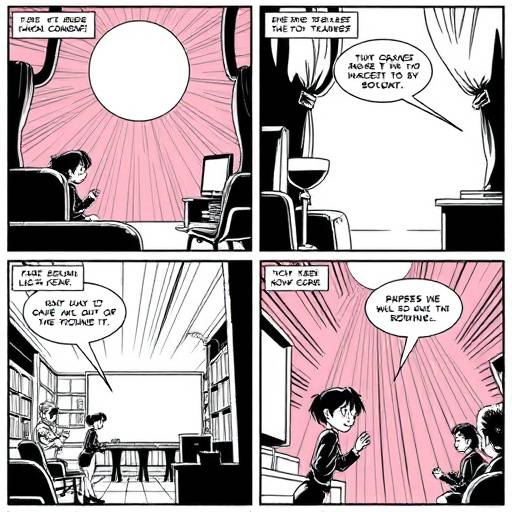
Panel layout is the backbone of comic storytelling. It dictates the pacing and flow of your narrative. A well-designed layout guides the reader's eye and creates a dynamic reading experience. Experiment with different panel sizes, shapes, and arrangements to emphasize key moments and control the reader's emotional response. Consider using full-page spreads for impactful scenes and smaller, more frequent panels to accelerate the pace. Remember that clarity is key – avoid overcrowding panels and ensure a clear visual hierarchy.
Explore techniques such as overlapping panels to suggest movement or breaking the panel borders to create a sense of immersion. Consider the use of gutters, the spaces between panels, which can be manipulated to create different effects. A wider gutter implies a greater passage of time or a shift in location, while a narrow gutter can create a sense of immediacy and tension.
The Power of Dialogue
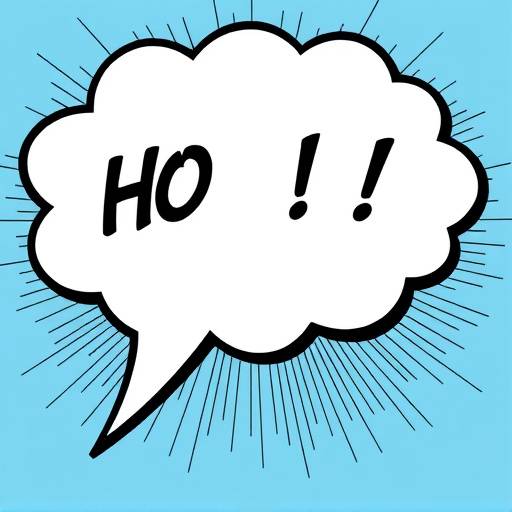
Dialogue is not just about conveying information; it's about revealing character and driving the plot forward. Craft authentic and engaging dialogue that reflects the unique voice of each character. Use subtext and body language to add layers of meaning and create tension. Remember that silence can be just as powerful as words. Strategic pauses and nonverbal cues can speak volumes about a character's emotions and motivations.
Consider the use of different types of speech bubbles to visually distinguish between characters and convey different tones. For example, jagged bubbles can indicate anger, while thought bubbles can reveal a character's inner thoughts. Experiment with different lettering styles to further enhance the emotional impact of the dialogue. Bold lettering can emphasize important words, while italics can convey sarcasm or whispering.
Visual Storytelling: Showing, Not Telling
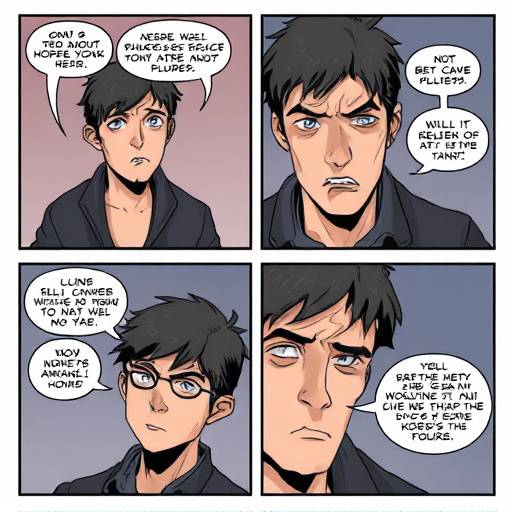
One of the fundamental principles of comic storytelling is "show, don't tell." Instead of simply stating that a character is sad, depict their sadness through their body language, facial expressions, and the surrounding environment. Use visual metaphors and symbolism to convey deeper meanings and add layers of complexity to your narrative. Remember that comics are a visual medium, so leverage the power of images to communicate emotions and ideas.
Pay attention to details such as the character's posture, the angle of their head, and the presence or absence of light and shadow. Use these visual cues to create a compelling and evocative atmosphere. Consider the use of color to further enhance the emotional impact of your storytelling. For example, warm colors can create a sense of warmth and comfort, while cool colors can evoke feelings of sadness or isolation.
Character Design and Development

Compelling characters are the heart of any great comic story. Develop characters with unique personalities, motivations, and flaws. Give them a backstory that informs their present actions and a clear goal that drives their journey. Consider their physical appearance, their mannerisms, and their relationships with other characters. The more well-rounded and believable your characters are, the more invested readers will become in their stories.
Think about how your characters evolve over the course of the story. Do they learn and grow? Do they overcome their weaknesses? Do they change their perspectives? The journey of your characters is just as important as the destination. Remember that even villains should have understandable motivations. Give them a reason for their actions, and make them more than just one-dimensional antagonists.
Mastering Perspective and Composition
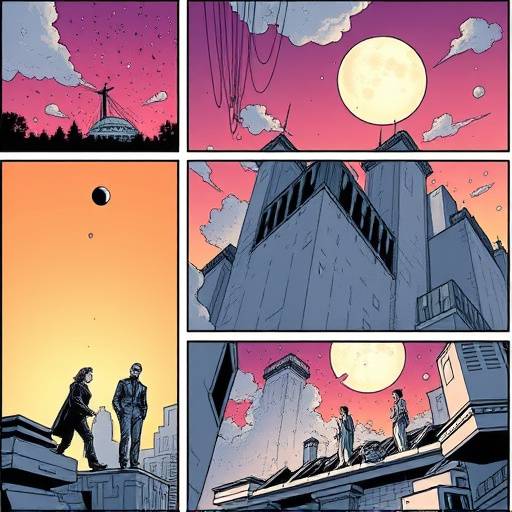
Perspective and composition are essential tools for creating visually dynamic and engaging comic panels. Use perspective to create a sense of depth and realism, guiding the reader's eye through the scene. Experiment with different camera angles and viewpoints to create different emotional effects. A low angle can make a character seem powerful and imposing, while a high angle can make them seem vulnerable and insignificant.
Consider the rule of thirds when composing your panels. Divide the panel into nine equal parts using two horizontal and two vertical lines, and place key elements at the intersections of these lines. This technique can create a more balanced and visually appealing composition. Pay attention to the use of negative space, which can be used to create a sense of isolation or to draw attention to a particular element.
The Art of Lettering
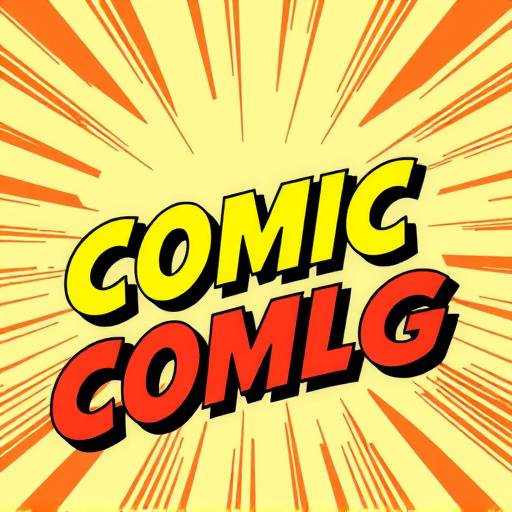
Lettering is often overlooked, but it's a crucial element of comic storytelling. Choose a font that is legible and appropriate for the tone of your story. Pay attention to the size, spacing, and placement of the text. Make sure the lettering is easy to read and doesn't obscure the artwork. Use different font styles and sizes to emphasize certain words or phrases.
Consider the use of sound effects to add impact and dynamism to your scenes. Use onomatopoeia (words that imitate sounds) to bring your action sequences to life. Experiment with different lettering styles and sizes to convey different sounds, such as a loud crash or a soft whisper. Remember that lettering is an integral part of the visual storytelling process, so treat it with the same care and attention as you would your artwork.